


Immortal Romance slot Slot Integration Costs for UK Platforms
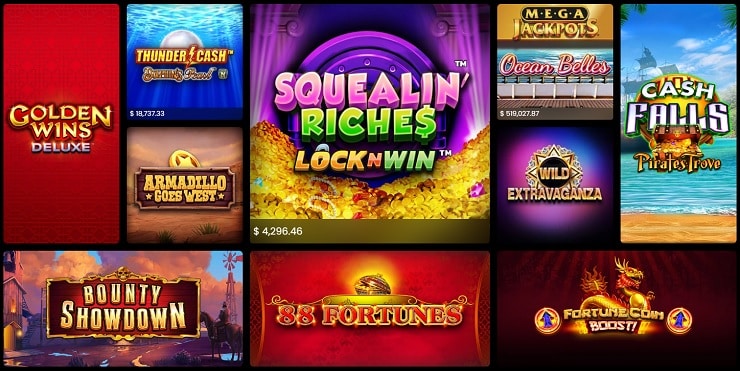
UK operators regularly inquire about adding Microgaming’s Immortal Romance to their game lobbies https://immortal-romance.uk/. As a expert in iGaming integrations, I receive this request often. The gothic vampire slot continues to be a player favourite year after year. But the matter of cost is not simple. The cost is determined by a mix of technical needs, business deals, and the particular rules of the UK market. This overview will explain the main cost elements. We’ll look at upfront technical fees, revenue-sharing models, and the inevitable expenses linked to UK Gambling Commission compliance. My goal is to give you a straightforward outline for allocating funds for this certain integration, one that sees beyond the first vendor quote to the real financial picture.
Unexpected Fees & Strategic Considerations
Beyond the invoices, several concealed expenses can affect your total spend. Discussing terms with providers or aggregators takes up time for your commercial team. Legal costs for reviewing integration and content license agreements add up, especially under strict UK advertising and licensing laws. There’s also an opportunity cost. The development hours spent on Immortal Romance are hours not spent on other platform upgrades or on integrating different games. Reflect on strategy too, particularly exclusivity. Some deals, especially with smaller aggregators, might present a lower fee if you agree not to add competing vampire or story-driven slots. This could limit your content strategy and player appeal down the line.
A more nuanced cost involves player expectations. By adding a high-quality, feature-rich game like Immortal Romance, you raise the bar for your entire game library. Players might start expecting more games of this calibre, which could steer you towards other premium, and costly, integrations. This “quality creep” is good for player satisfaction, but you have to plan for it in your budget. It shows that the cost of one slot integration is part of a wider content acquisition strategy, not an isolated purchase.
UKGC Compliance & Licensing Surcharges
In the UK market, compliance is not an add-on. It’s a core driver of cost. The Immortal Romance game client and your integration must be fully certified for UK Gambling Commission standards. Microgaming takes care of the core game certification, but your integration point and implementation also need to pass inspection. Some vendors or aggregators impose a specific compliance or certification fee for UK integrations to offset their audit costs. More importantly, the game has to support all UKGC-mandated features. This covers smooth links to your responsible gambling tools, clear display of bet and win information, and direct connections to GAMSTOP and other safer gambling resources. Building this functionality frequently requires extra development work on your side.
Your platform also has to be set up to capture and report all data required for UKGC regulatory returns. The integration must support specific reporting on game performance and player activity within the UK. This administrative load might not be visible as a line item on an invoice, but it translates into ongoing operational costs for your compliance and data teams. If you don’t account for these needs properly, you might encounter expensive re-work after launch. It’s advisable to factor in compliance from the very start of planning the project.
Marketing & Promotional Expenditure
Featuring Immortal Romance on your site doesn’t suffice. You must guide players to it. A practical budget must include marketing activation costs. This slot has a strong brand, but the UK market is crowded. You must advertise it on your own site and through external channels. Costs include making custom banners and promotional content, featuring it in email campaigns, and perhaps running exclusive free spin offers or tournaments to kickstart engagement. These promotional incentives straight cut into the net revenue from the game in the short term. Also, if you use it as a headline game in affiliate marketing deals, you may opt to pay a higher commission rate for players who deposit through that game. This influences its overall profitability.
Calculating Return on Investment (ROI)
To interpret all the costs, you need to project the expected return on investment. This involves forecasting how many of your UK players will play the game, their average stake, and how often they’ll play. From that projected revenue, you deduct the revenue share, the spread-out initial integration fee, and the marketing spend you’ve budgeted. Immortal Romance often enjoys high engagement and player loyalty, which can justify a higher revenue share percentage. But you require data to prove it. It’s a balancing act act. Aggressive promotion can boost long-term revenue but increases your upfront cost. A clear ROI model helps you figure out the highest acceptable integration fee and revenue share. It ensures the game becomes a profitable asset, not just a costly trophy.
Continuing Maintenance & Update Costs
After the game becomes active, your financial commitment to hosting Immortal Romance continues. Game maintenance is a essential, ongoing cost. It covers server hosting, routine security updates, and ensuring uptime and performance are maintained. These costs are generally bundled into the revenue share model, but you should always verify this. More explicit are the fees associated with major game updates or re-certifications. If Microgaming launches a big upgrade, or if new UKGC technical standards take effect, you might pay a fee to update your integrated version. The same goes if you modify your platform’s core systems or payment processors. You may have to re-validate the game integration, which can cause more testing and certification charges.
Customer support is another aspect. Your support team requires training on the game’s characteristics, like the Chamber of Spins bonus round and its unique mechanics, to answer player questions correctly. This training isn’t a direct payment to the provider, but it’s an internal operational cost. You should also plan for regular performance reviews and maybe marketing A/B tests for the game. These steps are crucial for achieving the best return on investment, but they need analytical resources and time.
Technical Integration & Platform Costs
The technical task of adding Immortal Romance into your UK platform is where expenses originate. It centers on API integration, during which your casino software talks to Microgaming’s game server. How complex this is and therefore how expensive depends on your platform’s maturity and architecture. Modern platforms built with APIs in mind have fewer challenges. Older legacy systems might need middleware or custom coding, which pushes the price up. You also need to confirm the game includes everything necessary, like tournament play, free spin offers, and detailed reporting. Each extra feature can add to the initial technical cost. The provider or aggregator conducts thorough testing, a phase during which your own developers’ time turns into a significant cost.
Markups from Providers and Aggregators
Except when you have a direct contract with Microgaming, you’ll most likely work through a game aggregator. These companies provide a single technical link to reach hundreds of games, Immortal Romance among them. This convenience has a price. The aggregator applies its own surcharge on top of any revenue percentage Microgaming itself charges. This can push the effective revenue share you pay up by several points. It’s a trade-off. A direct integration could mean a better financial rate, but it needs its own dedicated technical effort. Using an aggregator bundles the cost with other games, which simplifies operations but might raise the long-term cost per title for a hit game like this one.
Comprehending the Main Integration Model
Incorporating Immortal Romance onto your platform is not just purchasing a piece of software. For UK operators, the main route is through a content aggregator, or occasionally directly via Microgaming’s own network. The cost model typically hinges on revenue sharing, rather than a fixed price. You pay for performance, giving up a percentage of the net gaming revenue this specific game earns on your site. That percentage isn’t set in stone. It changes based on how substantial your platform is, the size of your player base, and the terms you negotiate. On top of this ongoing share, there’s commonly an initial setup or integration fee. This funds the technical work of linking your platform to the game server, guaranteeing data for spins, results, and money moves flows without a hitch.
Key Cost Components
Your spending falls into two clear categories: the initial capital outlay and the ongoing running costs. The capital expenditure is that upfront integration fee. It may be a small charge for a clean API connection, or a far bigger sum if your platform needs custom work or major adjustments. The operational expenditure is the ongoing revenue share. This is the bigger long-term financial factor. You need to project this against how you expect players to engage with the game to understand its true lifetime cost. Don’t forget the internal hours from your own development and compliance staff. This is a concealed but very real internal cost.
Capital vs. Operational Breakdown
The capital expenditure, or integration fee, is usually a one-off charge. It can extend from a few thousand pounds to tens of thousands, depending largely on your platform’s technical setup. The operational expenditure, the revenue share, typically sits between 20% and 40% of the game’s net revenue. A more modest, newer UK brand might pay at the higher end. A big, established operator with high traffic can typically negotiate a better rate. This model harmonizes the game provider’s interests with yours, since both sides benefit when the game is popular. Even so, it necessitates careful forecasting. You must be confident the game’s performance will offset the ongoing chunk of revenue it takes.
Allocating funds for a Standard UK Integration
From my experience in the UK market, a realistic budget for a game like Immortal Romance would encompass all the factors we’ve covered. For a medium-sized operator using a major aggregator, anticipate an initial integration fee ranging from £5,000 and £15,000. The ongoing revenue share will likely land in the 25% to 35% band of net gaming revenue. You should also set aside at least £2,000 to £5,000 for initial UK-focused marketing and promotions. Internal costs for project management, development, compliance checks, and support training could readily add another £3,000 to £7,000 in allocated internal resources. So the total effective cost before launch can realistically span from £10,000 to £27,000, followed by that significant recurring revenue share.
You need to get a detailed, line-item quote from your provider or aggregator. It should separate the technical fee, the revenue share percentage, and any clear compliance surcharges. Scrutinise the contract for clauses about update fees and minimum annual guarantees. For UK operators, the most important due diligence is confirming the integration’s full compliance with the latest UKGC technical standards and marketing rules. Remedial work here is the most common source of unexpected post-launch expense. A clear partnership with your provider, where all costs are agreed from the start, is the surest path to a successful and financially predictable integration.